
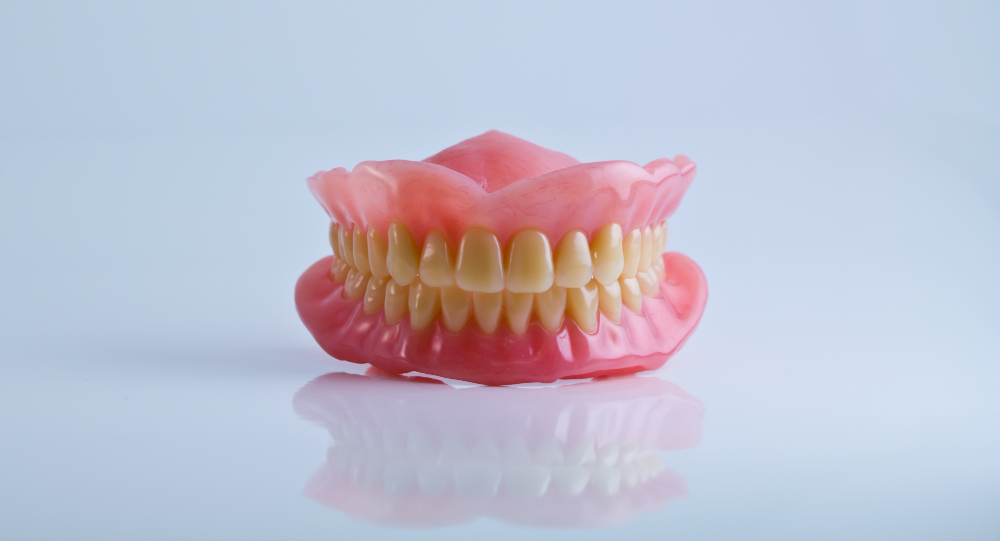
Introduction to Complete Dentures and Their Importance
Many people rely on complete dentures to restore their smile and chewing ability. Complete denture after care is key for comfort and oral health. These dentures replace all teeth in the upper or lower jaw. With proper care, dentures can last for years and help you enjoy daily life. However, neglecting care may lead to discomfort or oral problems. Therefore, learning the right steps is important for every denture wearer.
Daily Cleaning and Hygiene Tips
Keeping your dentures clean is vital for a healthy mouth. Every day, food and plaque can build up on dentures. This may cause bad breath or infections. For best results, follow these cleaning tips:
In addition, always clean your gums, tongue, and the roof of your mouth with a soft brush. This helps prevent infections and keeps your mouth fresh.
Proper Handling and Storage of Dentures
Handling dentures with care can prevent damage. For example, always hold them over a soft towel or a sink filled with water. If you drop them, they are less likely to break. When not in use, store dentures in water or a denture solution. This keeps them from drying out or losing their shape. Never use hot water, as it can warp the denture material. Also, keep dentures away from pets and children to avoid accidents.
Common Issues and Troubleshooting
Sometimes, denture wearers face problems like soreness or a loose fit. If you notice sore spots, remove your dentures and rinse your mouth with warm salt water. However, do not try to adjust dentures yourself. If dentures feel loose or cause pain, schedule a visit with your dentist. Over time, your gums and jaw may change shape, affecting the fit. Regular check-ups help catch these issues early. If you hear clicking sounds or have trouble speaking, let your dentist know. They can make adjustments for better comfort.
When to Seek Professional Help
It is important to know when to see a dental specialist. Seek help if you notice:
Regular dental visits, at least once a year, are recommended by the American Dental Association. Your dentist will check your mouth and dentures for any problems.
Lifestyle and Dietary Guidance for Denture Wearers
With dentures, you may need to adjust your eating habits. At first, eat soft foods cut into small pieces. Chew slowly and use both sides of your mouth. As you get used to your dentures, you can try firmer foods. However, avoid sticky or hard foods that may damage dentures. For example, nuts, hard candies, and chewing gum can cause problems. Drinking plenty of water helps keep your mouth moist and clean. If you smoke or use tobacco, consider quitting, as it can harm your oral health.
Prevention of Oral Infections and Maintaining Oral Health
Good oral hygiene is important, even with dentures. Clean your mouth daily to prevent infections like thrush, a common fungal infection. Remove dentures at night to let your gums rest. This reduces the risk of sores and infections. In addition, avoid sharing your dentures with others. If you notice white patches, redness, or pain, contact your dentist. The Centers for Disease Control and Prevention (CDC) recommends regular cleaning and dental visits to keep your mouth healthy.
Frequently Asked Questions About Complete Denture After Care
Conclusion
Proper complete denture after care helps you enjoy a healthy, comfortable smile. By following these denture maintenance tips, you can prevent problems and keep your mouth in good shape. For personalized advice, consult a dental specialist about your complete denture care needs.