What Is a Dental Crown?
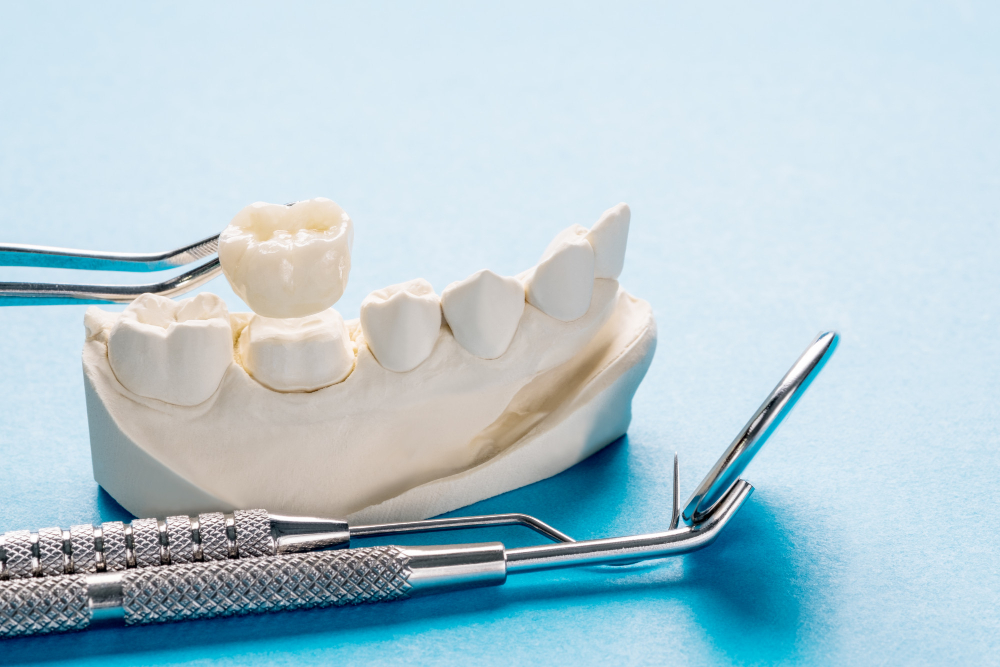
A dental crown is a cap that covers a damaged or weak tooth. It looks and feels like a natural tooth. Dentists use dental crowns to protect, restore, or improve the look of teeth. Often, a dental crown is made from porcelain, metal, or a mix of both. Because it fits over your tooth, it helps keep your smile strong and healthy.
Common Indications for Dental Crowns
Many people wonder, “When do you need a dental crown?” Dentists may suggest a crown for several reasons. For example, you might need one if your tooth is:
According to the American Dental Association (ADA), dental crowns are a common way to save teeth that might otherwise be lost.
Benefits of Dental Crowns
Dental crowns offer many advantages. First, they protect weak teeth from breaking. In addition, they restore the shape and size of damaged teeth. Crowns can also improve the look of your smile. Here are some key benefits of dental crowns:
Because of these benefits, many dentists recommend crowns for both health and cosmetic reasons.
How Dental Crowns Are Placed
The dental crown procedure usually takes two visits. First, your dentist will numb the area and shape your tooth. Next, they take an impression to make a custom crown. While you wait for the permanent crown, you may get a temporary one. At your second visit, the dentist removes the temporary crown and cements the new one in place. Most people find the process easy and comfortable.
What to Expect After Getting a Dental Crown
After getting a dental crown, you may feel mild soreness for a day or two. However, this usually goes away quickly. You can eat and drink as normal, but avoid sticky or hard foods at first. If your bite feels off or you have pain, let your dentist know. With good care, your crown can last many years.
Tips for Caring for Your Dental Crown
Proper care helps your dental crown last longer. Here are some helpful tips:
Because crowns can still get cavities at the edge, good oral hygiene is important.
Frequently Asked Questions About Dental Crowns
In summary, dental crowns can protect, restore, and improve your teeth. If you think you might need one, consult your dentist to find out if a dental crown is right for you.